
POKER PSYCHOLOGY: HUB PAGE
THE MENTAL GAME OF WINNING POKER
Poker is often described as a game of cards, but over the long run, it is a game of decisions, and every decision is influenced by psychology. Your ability to think clearly, remain disciplined, understand other players, and perform consistently under pressure often determines your results far more than the cards you are dealt.
Many players associate poker psychology with controlling tilt. While emotional control is certainly important, it represents only one part of a much broader subject. Every decision you make at the table is shaped by your thoughts, habits, perceptions, emotions, and interactions with other players. These psychological factors influence when you fold, when you bluff, how you react to losses, how you interpret information, and whether you consistently make profitable decisions.

The Poker Psychology section of PokerRailbird explores the mental side of live poker through four specialized learning paths. Each Hub examines a different aspect of psychological performance, allowing you to focus on the area of your game that needs the most improvement. Whether your goal is making better decisions, developing greater discipline, understanding player behavior, or improving long-term performance, these resources are designed to help you think more clearly and play more consistently.
EXPLORE POKER PSYCHOLOGY
This section organizes PokerRailbird’s resources on poker psychology into specialized learning paths. Begin with the Hub that best matches the area of your game you want to improve.
DECISION MAKING IN POKER
Every hand you play requires a decision, and every decision affects your long-term results. This Hub explores how successful players process information, avoid faulty reasoning, question conventional wisdom, and make better decisions under uncertainty. If you want to improve the quality of your thinking, not simply memorize rules, this is where to begin.
DISCIPLINE IN POKER
Discipline is the foundation of consistent winning poker. It allows you to remain patient, control your emotions, avoid costly mistakes, and make profitable decisions even when the game isn’t going your way. This Hub explores the habits, mental discipline, and emotional control required to stay focused on long-term success instead of short-term results.
POKER PLAYER BEHAVIOR
Poker is played by people, not cards. Every player brings unique habits, personalities, emotions, and behaviors to the table, creating opportunities for observant players to gain valuable insight. This Hub explores the psychology of player behavior, helping you better understand how people think, interact, communicate, and influence one another during live play.
WHY POKER PSYCHOLOGY MATTERS
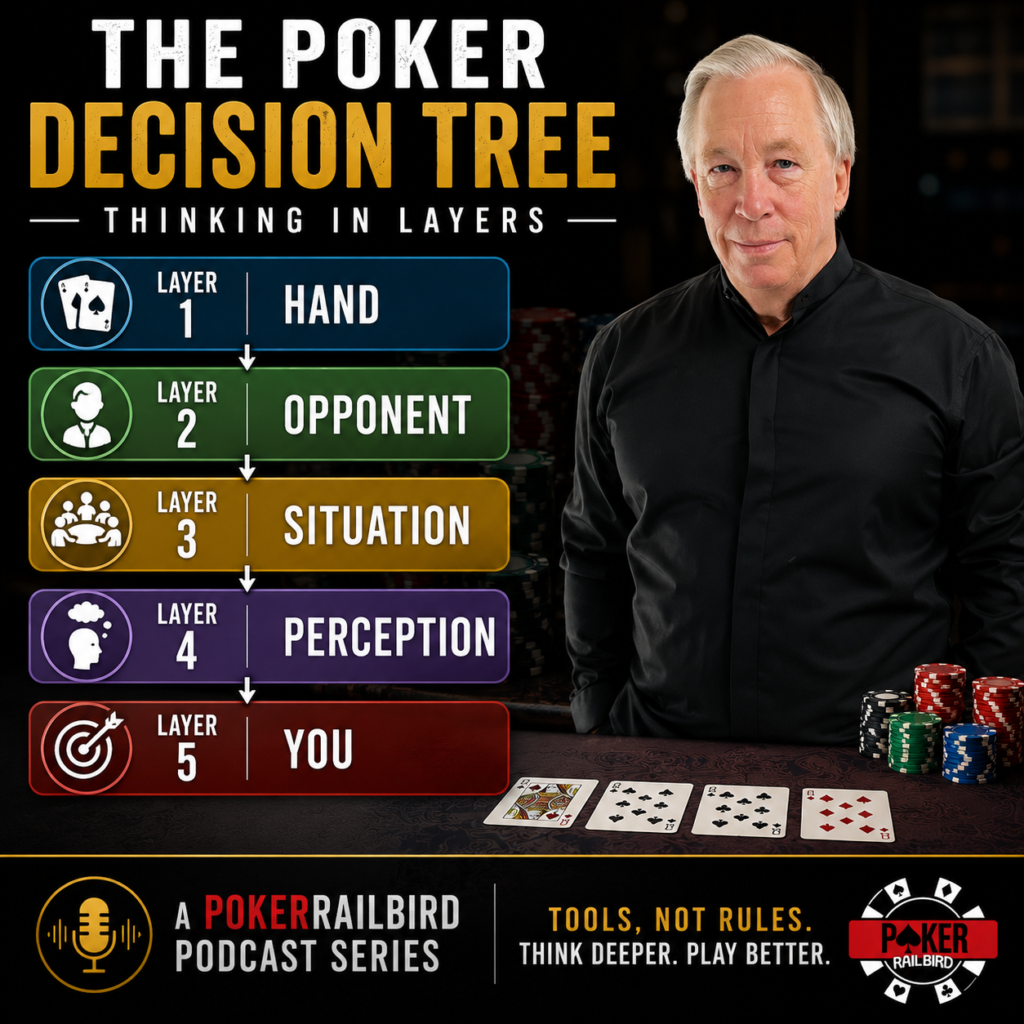
Technical knowledge alone is rarely enough to make someone a consistently winning poker player. Two players may understand the same strategy, recognize the same odds, and face identical situations, yet arrive at completely different decisions because they process information differently. Psychology influences how you think under pressure, respond to uncertainty, adapt to changing circumstances, and apply your knowledge when it matters most.
Developing your psychological game is not about replacing sound strategy or poker math. It is about strengthening the mental skills that allow you to consistently apply those tools over the course of a session. By improving the way you think, make decisions, interact with other players, and manage your emotions, you develop the consistency needed to make better decisions, reduce costly mistakes, and perform at a higher level over the long term.
FEATURED ARTICLE: WHY DO YOU PLAY POKER?
Every poker player has a reason for sitting down at the table, whether it’s competition, entertainment, personal challenge, or financial reward. Understanding your own motivation influences the way you approach improvement, evaluate success, and make decisions over the long term. This article explores one of the most important questions every player should answer before focusing on strategy, psychology, or poker math.

RELATED HUB PAGES
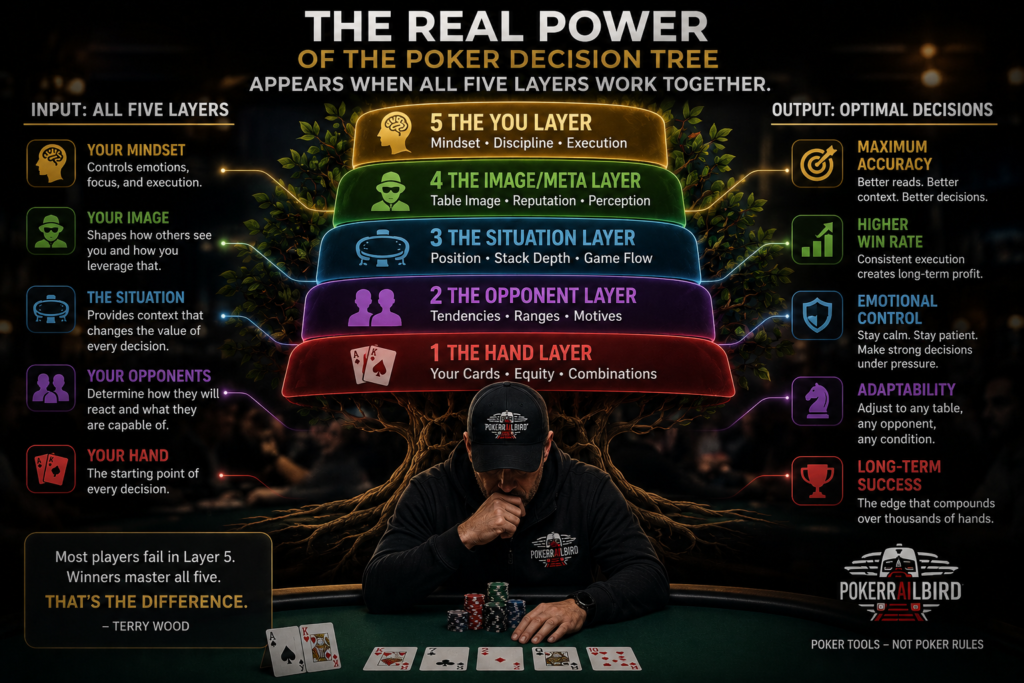

The Poker Decision Tree is a complete 5-layer framework that teaches you how elite players actually think at the table.
The 10 deadly psychological and strategic errors in poker: these mindset flaws quietly drain bankrolls.
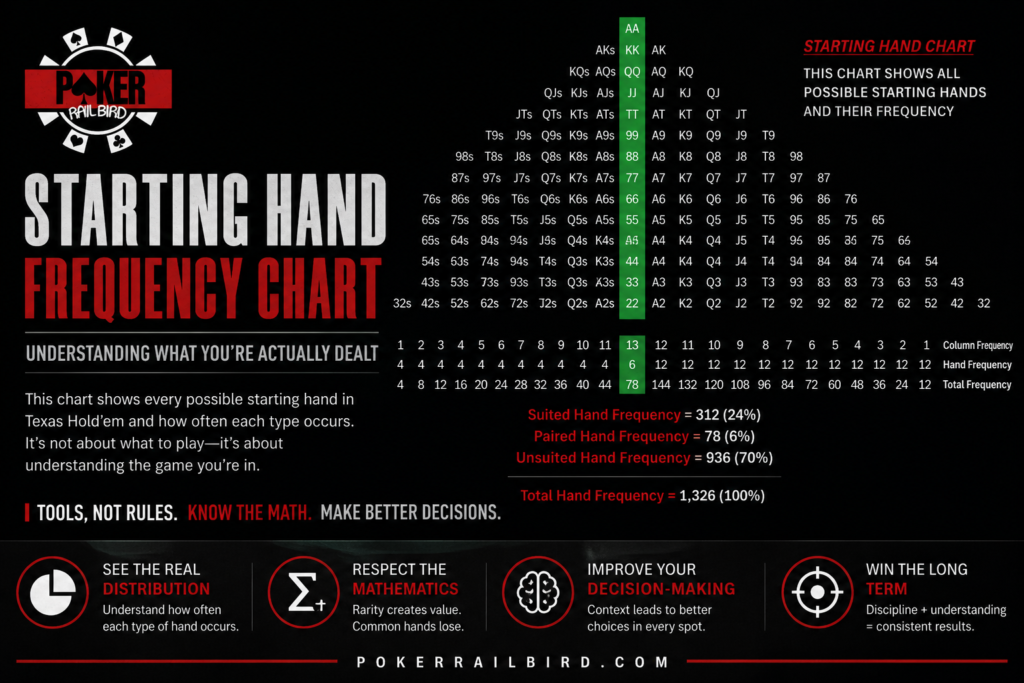
We are adding new downloads all the time, so bookmark this page and check back often.
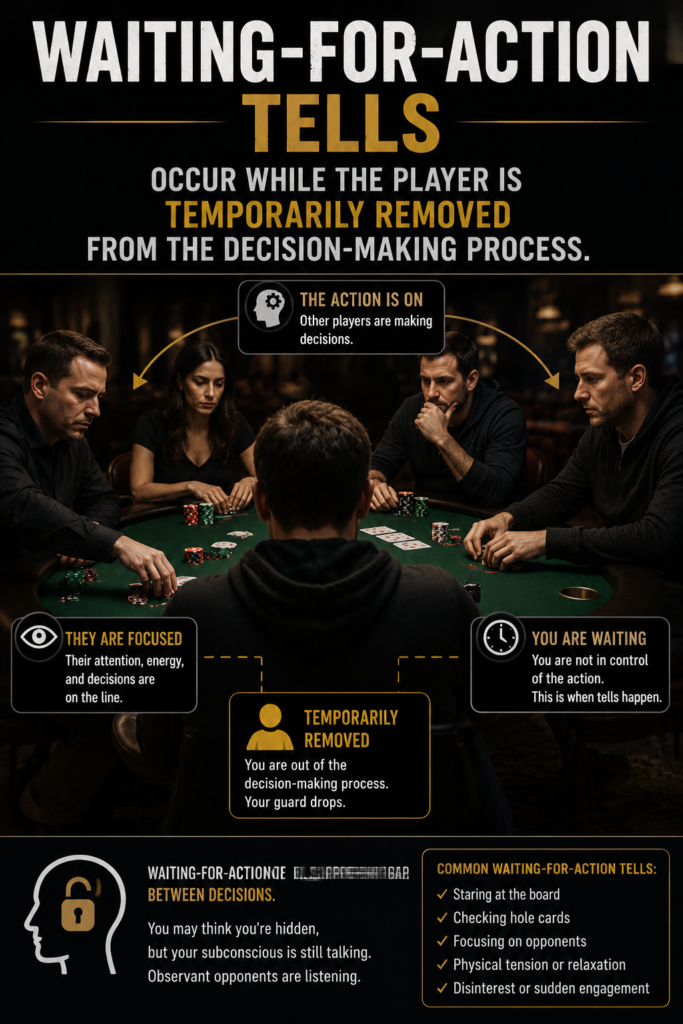
Some of the most revealing moments happen with a players is not making a decision at all.