
RECOMMENDED POKER BOOKS & STRATEGY RESOURCES
EVERY BOOK LISTED HERE HAS BEEN PERSONALLY READ AND VERIFIED FOR REAL-WORLD POKER VALUE
I don’t recommend poker books lightly. Every title listed on this page is a book I’ve personally read, studied, and found meaningful, not just entertaining. Over the years, I’ve read dozens of poker and strategy books, and while many repeat the same ideas in different packaging, a handful genuinely sharpen how you think about decision-making at the table.
This page is a curated list of poker books recommended by a professional, chosen not for hype or popularity, but for clarity, depth, and real-world usefulness, especially for live poker players who want to think better, not just memorize lines.
HOW THESE RECOMMENDATIONS ARE CHOSEN
HOW TO USE THIS BOOK LIST
Every book listed here has been personally read, studied, and evaluated through the lens of real-world application.
I do not recommend books based on popularity, sales rankings, or marketing hype.
Many poker books repeat the same surface-level ideas, repackage common concepts, or lean heavily on theory without addressing how decisions actually play out in live games. Those books are not included here.
A book earns a place on this page only if it contributes something meaningful,whether that is strategic clarity, improved decision-making, sharper observation skills, or a deeper understanding of human behavior at the table.
If a book does not hold up under scrutiny, it does not make the list.
This is not a “must-read everything” list, and it is not intended to be consumed all at once.
Some books are technical.
Some are psychological.
Others focus on thinking, discipline, or pattern recognition.
Different players will benefit from different material depending on where they are in their development. A player struggling with math will need different tools than a player struggling with tilt, impatience, or ego.
Use this list as a reference.
Select books that address your current weaknesses.
Revisit it as your understanding evolves.
WHAT I LOOK FOR IN A POKER BOOK
A strong poker book does not promise shortcuts or guaranteed results. It respects the complexity of the game and the intelligence of the reader.
Specifically, I look for books that:
Emphasize decision quality over outcomes
Explain why a play works, not just what to do
Respect mathematics without ignoring human behavior
Address uncertainty, variance, and imperfect information
Encourage discipline, patience, and accountability
Most importantly, a good poker book should sharpen how you think—not just tell you which hands to play.
Poker is not about memorizing lines.
It is about learning how to reason under pressure.
BOOK CATEGORIES
The books recommended on this page are organized by purpose, not hype.
Poker improvement does not come from one type of knowledge alone. It comes from understanding math, psychology, decision-making, and human behavior, often at the same time.
These categories reflect how poker is actually played and learned.
POKER STRATEGY AND MATHEMATICS
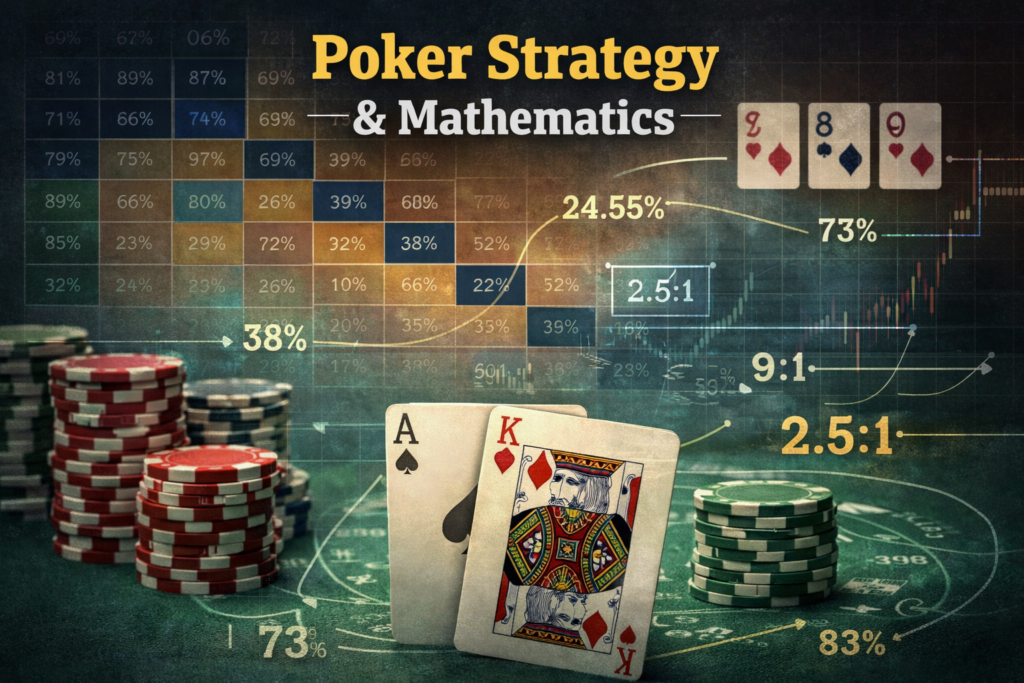
These books focus on the structural foundation of poker: probability, pot odds, hand ranges, and decision-making under uncertainty.
They emphasize why certain decisions are profitable and when discipline matters more than aggression. While theory is unavoidable, the books in this category earn their place by remaining grounded in practical application, especially for live poker environments.
If your leaks involve chasing, mispricing draws, or misunderstanding risk, this is where you start.
The Mathematics of Poker is not a strategy book in the conventional sense. It is a rigorous examination of poker as a mathematical decision-making problem, grounded in probability, game theory, and expected value.
Rather than prescribing lines to memorize, the book explains how correct decisions emerge from incomplete information, uncertainty, and risk. It is demanding, but it builds the conceptual foundation required to understand why profitable poker decisions work, especially in situations where intuition alone fails.
This book is best suited for players who want to understand poker at its structural level, not just improve short-term results.
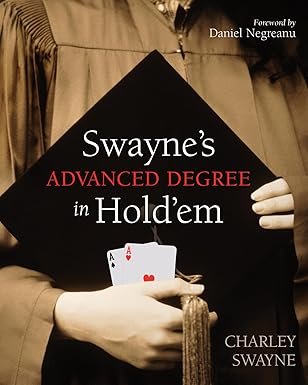
Swayne’s Advanced Degree in Hold’em blends practical poker math with real-world psychological awareness in a way very few books manage to do. Rather than leaning on heavy theory or rigid systems, it focuses on common-sense probability, hand reading, and situational decision-making that actually applies at live tables.
What sets this book apart is its balance. It respects mathematics without becoming abstract, and it addresses player behavior without drifting into vague psychology. The result is a framework that helps players think more clearly about ranges, risk, and opponent tendencies, street by street.
This is a book that rewards repeated reading. Its concepts remain relevant long after first exposure, making it one of the most durable and practical poker resources ever written.
The Theory of Poker is a foundational work that examines poker through first principles rather than specific hands or formats. Sklansky’s goal is not to teach players what to do in isolated situations, but to explain why certain decisions are correct across a wide range of games and conditions.
The revised edition extends these ideas into No-Limit Hold’em, where bet sizing, implied odds, and stack depth introduce additional layers of complexity. Concepts such as value betting, bluffing, semi-bluffing, and calling decisions are framed in terms of expected value and opponent response, rather than rigid rules or heuristics.
What makes this book demanding is also what makes it valuable. Many of its ideas are not immediately intuitive, and some require repeated reading to fully absorb. The book challenges players to think beyond outcomes and surface-level tactics, forcing a deeper engagement with how decisions interact over time.
For serious players, this book functions less as a manual and more as a reference text. It rewards persistence. Even when the material feels elusive, continued exposure sharpens strategic thinking and reinforces respect for the game’s underlying structure.
This is not a book to “finish” and move on from. It is a book to return to—especially when poker starts to feel confusing, contradictory, or overly results-driven.
POKER PSYCHOLOGY AND MENTAL GAME
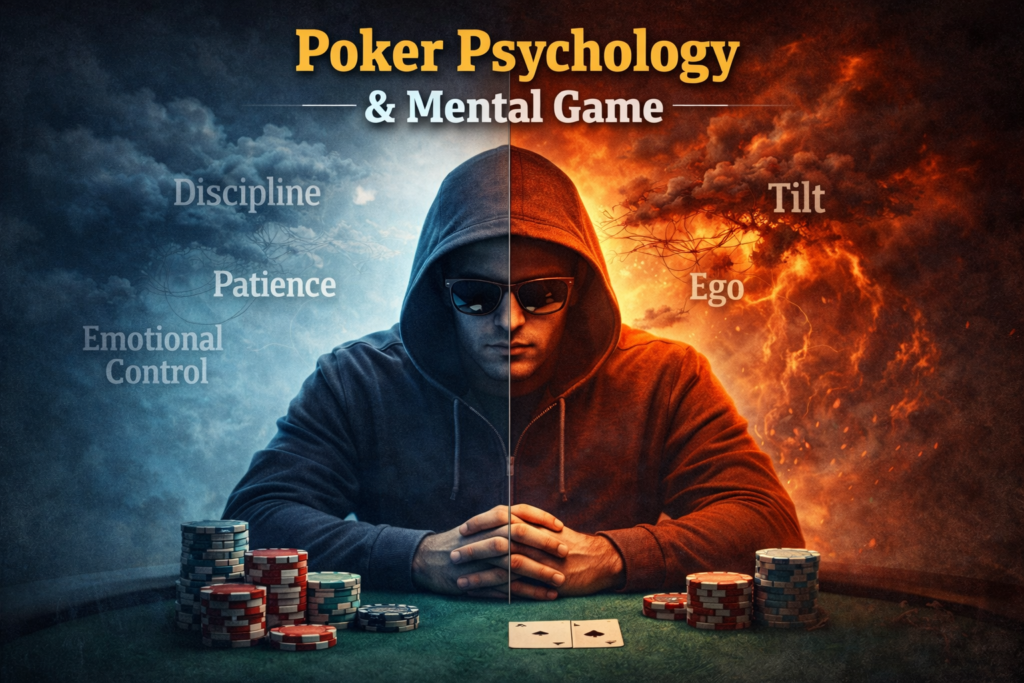
This category addresses emotional control, tilt, ego, patience, discipline, and the internal narratives players tell themselves to justify bad decisions. These books explore why otherwise intelligent players repeatedly sabotage their own results, and how to stop.
If you understand the math but still struggle to execute consistently, this category matters more than any chart.
Reading Poker Tells strips away superstition and replaces it with disciplined observation and context-based analysis. Rather than treating tells as fixed signals, the book emphasizes why behaviors occur and when they are meaningful, an approach that mirrors how sound poker decisions are actually made.
Elwood focuses on reliability over theatrics. He shows how timing, emotional state, prior action, and betting context determine whether a behavior carries information or is merely noise. This prevents the most common mistake players make with tells: overconfidence based on weak or misunderstood signals.
For live players, this book reinforces patience, attention, and restraint. It teaches players not to hunt for tells, but to notice them when they matter, and to ignore them when they do not. Used correctly, tells become a supporting input, not a substitute for logic or math.
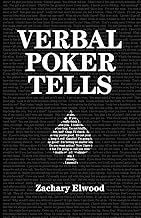
Verbal Poker Tells by Zachary Elwood focuses on one of the most overlooked and most misunderstood sources of information in live poker: what players say, how they say it, and when they choose to speak.
Rather than treating table talk as cheap theatrics, Elwood analyzes verbal behavior through context, timing, emotional state, and prior action. He shows that spoken words are rarely meaningful on their own, but can become highly informative when evaluated alongside betting patterns and situational pressure.
The book dismantles common myths, such as “speech always means weakness” or “talkative players are bluffing”, and replaces them with a disciplined framework for interpreting verbal cues without overreacting or leveling yourself into mistakes.
For live players, Verbal Poker Tells reinforces restraint and skepticism. It teaches when to listen, when to ignore speech entirely, and when verbal behavior confirms what the betting already suggests. Used correctly, verbal tells become a confirmation tool, not a substitute for logic, math, or hand reading.
This book is especially valuable for players who already understand fundamentals but want to sharpen their edge in live, face-to-face environments where information leaks are subtle, and often voluntary.
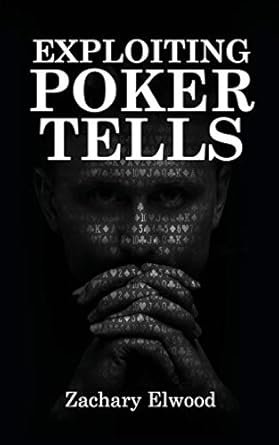
Exploiting Poker Tells by Zachary Elwood is the practical culmination of Elwood’s work on live poker behavior. While his earlier books focus on identifying and correctly interpreting tells, this volume addresses the harder, and more important question: what to do with that information.
Elwood emphasizes that most players lose money not because they miss tells, but because they misuse them. This book teaches how to translate reliable behavioral reads into profitable decisions without abandoning sound fundamentals. Tells are framed as adjustments to ranges, frequencies, and bet sizing, not excuses for reckless calls or hero plays.
A central theme is discipline. Exploiting tells often means making small, controlled deviations—folding slightly more, value betting thinner, or choosing better bluff candidates, rather than dramatic, high-variance moves. Elwood shows how overconfidence in tells leads to self-inflicted errors and how restraint preserves long-term edge.
For live players, this book is especially valuable because it bridges psychology and execution. It reinforces that tells do not replace math, logic, or position; they refine them. Used properly, tells allow players to capitalize on opponents’ unconscious leaks while remaining fundamentally sound.
This book is best suited for players who already understand how to spot tells and are ready to apply that knowledge in a controlled, repeatable, and profitable way.
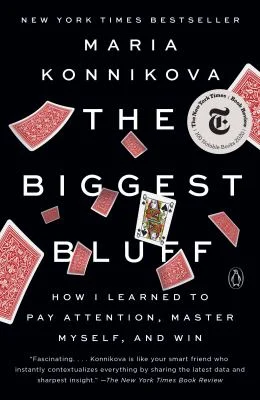
The Biggest Bluff is not a how-to poker manual, it is a real-world examination of how the human mind adapts (and often fails to adapt) to uncertainty, risk, and probabilistic outcomes. Konnikova documents her transition from psychologist and writer to competitive poker player under the guidance of Erik Seidel, using poker as a testing ground for decision-making theory.
At its core, the book explores how people struggle with feedback in environments where outcomes are noisy and short-term results are misleading. Konnikova repeatedly confronts the same problems poker players face daily: confusing luck with skill, over-weighting recent outcomes, and allowing emotion to distort judgment under pressure.
Rather than focusing on hand charts or tactics, the narrative centers on learning discipline, emotional regulation, and thinking in probabilities rather than certainties. Poker becomes a framework for understanding how humans process risk, update beliefs, and manage confidence when the “right” decision does not always produce the desired result.
For poker players, the value of this book lies in its clarity about why mental game leaks persist even among intelligent, well-intentioned players. It reinforces the importance of patience, humility, and long-term thinking—qualities that separate consistent winners from those trapped in outcome-based reasoning.
This book pairs naturally with works on cognitive bias and decision science and serves as a bridge between poker psychology and broader real-world thinking under uncertainty.
DECISION-MAKING, LOGIC & CRITICAL THINKING
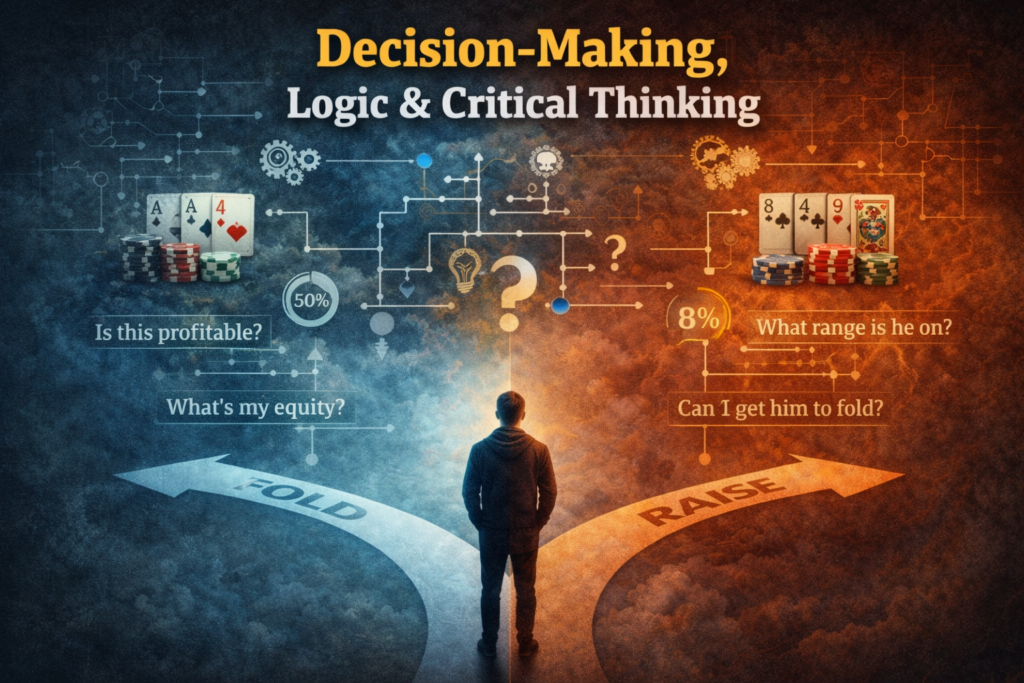
Not every great poker book is about poker.
This category includes books that sharpen reasoning, pattern recognition, probabilistic thinking, and cognitive discipline. These skills transfer directly to poker, often more effectively than hand charts or rigid systems.
Poker rewards players who think clearly under pressure. These books help build that ability.
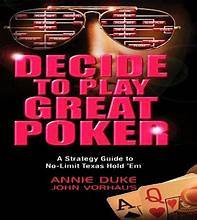
Decide to Play Great Poker reframes poker as a discipline of decision-making under uncertainty rather than a contest of outcomes. Duke’s central premise is that good decisions can still lead to bad results, and bad decisions can sometimes be rewarded, an idea that many players understand intellectually but fail to internalize at the table.
The book emphasizes separating process from outcome, teaching players to evaluate decisions based on the information available at the time, not on how the hand ultimately turns out. This directly addresses common cognitive traps such as hindsight bias, result-oriented thinking, and emotional overcorrection after losses.
Rather than focusing on specific hands or strategies, Duke concentrates on how players think: how they weigh probabilities, manage incomplete information, and remain disciplined when certainty is impossible. Poker is used as a framework to explore broader principles of logic, risk assessment, and decision accountability.
For serious players, this book strengthens the mental foundation required to play consistently well over time. It reinforces that long-term success in poker, and in life, comes from making sound decisions repeatedly, not from chasing short-term validation through results.
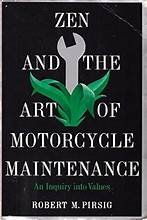
Zen and the Art of Motorcycle Maintenance is not a book about motorcycles, nor is it a book about Zen in the traditional sense. It is an exploration of how people understand quality, how they think, and why so many fail when dealing with complex systems, whether machines, ideas, or decisions.
Pirsig introduces the distinction between classical and romantic understanding. The classical mindset focuses on structure, underlying form, and how things actually work. The romantic mindset focuses on surface appearance, intuition, and immediate experience. Problems arise when people rely on one while ignoring the other, especially when structure is dismissed or misunderstood.
This framework maps directly to poker. Players who ignore math, structure, and process in favor of feel, instinct, or narrative often struggle to maintain consistency. Likewise, players who understand mechanics but fail to integrate judgment and awareness become rigid and error-prone. Pirsig’s work explains why both failures occur.
A central theme is value rigidity, the inability to let go of flawed assumptions once they are emotionally invested. In poker terms, this shows up as chasing losses, defending bad hands, clinging to preconceived reads, or refusing to fold because of past investment. The book exposes how attachment to outcomes destroys decision quality.
For serious players, this book provides a philosophical foundation for disciplined thinking. It reinforces the importance of understanding underlying form, respecting structure, and evaluating decisions based on process rather than results. Poker players who internalize these lessons develop patience, clarity, and long-term consistency, at the table and beyond.
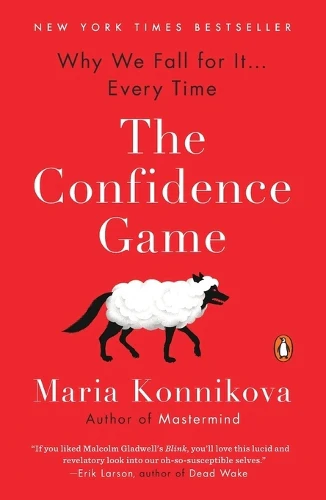
The Confidence Game examines how people are persuaded, manipulated, and deceived, not through intelligence gaps, but through predictable flaws in human reasoning. Konnikova shows that susceptibility to confidence, authority, and compelling narratives often overrides logic, evidence, and probability.
Rather than focusing on obvious scams, the book explores why intelligent, rational people repeatedly believe what they want to believe. Confidence, certainty, and storytelling create emotional comfort, while skepticism and statistical thinking require effort and discipline. As a result, people often abandon sound reasoning in favor of explanations that feel right.
For poker players, the parallels are immediate. The same psychological forces that enable con artists operate at the table: believing confident opponents, trusting verbal narratives over betting logic, and rationalizing decisions after the fact. The book clarifies how self-deception is often the most dangerous form of deception.
Konnikova emphasizes that resisting manipulation begins with understanding one’s own cognitive vulnerabilities. Poker players who absorb these lessons become harder to influence, less reactive to social pressure, and more committed to evidence-based decision making.
This book strengthens a player’s ability to recognize when confidence is earned—and when it is merely persuasive noise. In poker, that distinction often separates disciplined decision-makers from those consistently led astray by stories instead of structure.
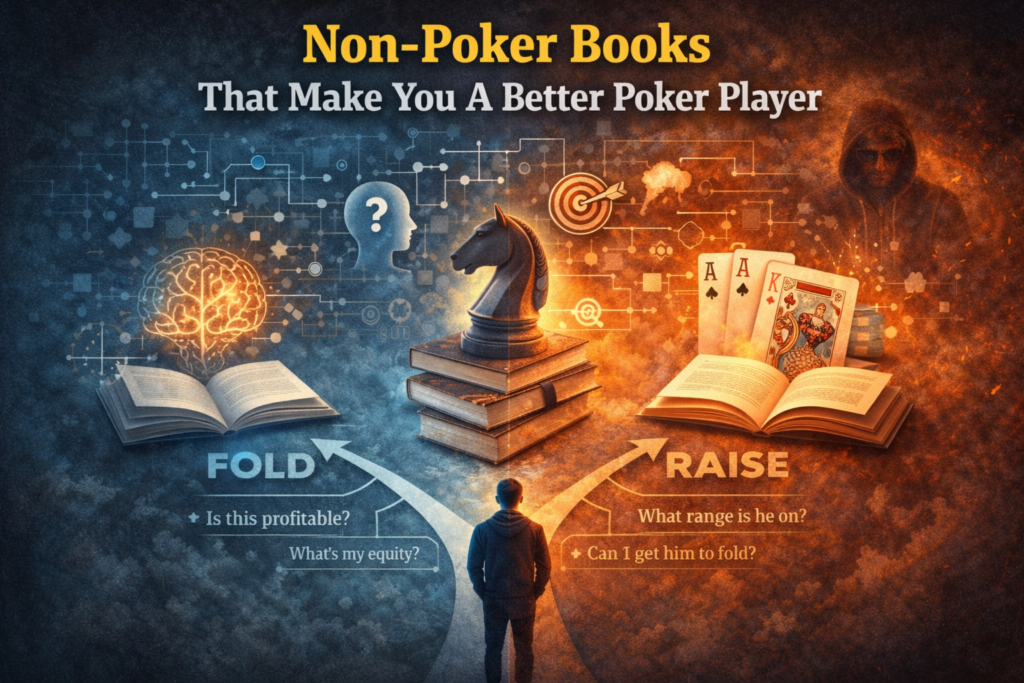
NON-POKER BOOKS THAT MAKE YOU A BETTER POKER PLAYER
Some of the most valuable insights into poker come from outside the game.
This category includes books on psychology, behavioral science, philosophy, and strategic thinking that reveal how humans actually behave,not how we wish they would behave. These books improve your ability to read situations, recognize bias, and avoid self-deception.
If a book changes how you see decisions, risk, or people, it belongs here.
MASTERMIND: HOW TO THINK LIKE SHERLOCK HOLMES
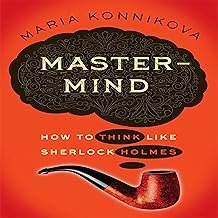
Mastermind: How to Think Like Sherlock Holmes is not about imitation or clever tricks. It is a practical exploration of how disciplined observation, structured thinking, and attention control lead to better decisions under uncertainty.
Konnikova breaks down the difference between seeing and observing, showing how most people miss critical information not because it isn’t available, but because their thinking is unfocused or biased. These skills transfer directly to poker, where misreads, false assumptions, and emotional shortcuts quietly undermine otherwise sound strategy.
This book sharpens awareness, improves pattern recognition, and reinforces the habit of slowing down thought before action. For players who already understand the math but struggle with execution, observation, or clarity under pressure, its value is immediate and lasting.