
POKER TABLE TALK
MASTERING SPEECH PLAY, PRESSURE AND MANIPULATION IN LIVE POKER
Most players think of poker table talk as harmless chatter, something that simply happens in live poker without much meaning behind it. Someone cracks a joke, someone tells a bad beat story, someone asks a question in the middle of a hand. But beneath the surface, poker table talk is far more than casual conversation. It is a subtle battle of psychology, pressure, ego, and misdirection that influences decisions every single session.
Picture a familiar scene: a player tanks in a big pot, staring at the board as the entire table goes still. Then, out of nowhere, an opponent speaks, maybe a casual comment, maybe a probing question, or maybe a joke meant to relieve tension. Yet the moment the words enter the space, the dynamic of the hand shifts. The silence breaks. The pressure changes shape. And in that instant, the conversation becomes part of the decision-making process.
Every word reveals something. Every silence reveals more. And every player, whether they realize it or not, is constantly broadcasting information through their tone, timing, phrasing, posture, and the simple choice of whether to speak at all. In live poker, you’re not just playing the cards in front of you; you’re playing the people holding them. And people talk.
Understanding why players engage in poker table talk, what their speech reveals, how certain players weaponize words, and when silence becomes the strongest statement at the table will give you a strategic edge that goes far beyond the mechanics of betting and hand odds.
PSYCHOLOGICAL AND STRATEGIC REALITY
This article breaks poker table talk down from two essential angles:
- The psychological reality of why humans speak under pressure and what their speech exposes
- The strategic reality is how certain players use talking as a deliberate tool of manipulation, control, and influence
When you can interpret both layers, the verbal game becomes as clear as the betting action. Because ultimately, in live poker, words are never just words.
They are often signals.
At times, they’re weapons.
Sometimes they’re shields.
And in the wrong hands, they’re traps.
THE PSYCHOLOGY BEHIND POKER TABLE TALK
Poker table talk doesn’t begin with strategy; it begins with instinct. It arises from the psychological impulses that surface whenever human beings are placed under pressure. The way a player speaks, the moments they choose to speak, and the tone they use are all rooted in deep-seated emotional reactions. To understand why certain players weaponize poker table talk, you must first understand why players talk at all, and what their words unintentionally reveal.
HUMANS ARE WIRED TO RESPOND TO VERBAL PROMPTS
THE PRESSURE AND EGO DYNAMIC
Even in a game built on logic, math, and probability, players remain human beings first. When someone speaks to us during a hand, especially when it’s a direct question, our brain instinctively responds. We interpret tone, we assess intention, and we start forming a reply before we even realize it. This social reflex is universal, and poker table talk exploits it perfectly.
At the table, this reflex becomes a vulnerability. Responding to someone’s words pulls a player out of their internal decision-making process and into a social one. Their voice may tighten, their tone may shift, their rhythm may change, or their reply may come too quickly. In each of these moments, information leaks. The players who learn to silence this instinct gain an immediate edge: they stop giving away the most instinctive and revealing information of all.
Poker creates a very specific kind of tension. Money is at stake, everyone is observing, and decisions carry real psychological weight. When the table falls silent, the pressure becomes palpable. Many players feel inclined to speak to break the tension, not because someone forced them, but because they cannot sit comfortably in the silence that poker table talk momentarily relieves.
Ego amplifies this impulse. Some players talk because they want to appear confident or unaffected. They may feel the need to justify their actions or maintain control over the narrative of the hand. Ironically, the more a player talks to project strength, the more their speech reveals their insecurity. The urge to speak is often the first sign that internal pressure is beginning to mount.
FIGHT - OR - FLIGHT ACTIVATION IN BIG POTS
WHY AMATEURS TALK MORE
Big pots trigger real physiological changes, increased heart rate, restricted breathing, and surges of adrenaline. These are the same fight-or-flight responses humans experience in stressful or confrontational situations. Poker table talk often emerges as an unconscious release valve for this tension.
A player facing a serious decision may start joking, narrating their thought process, or pretending to be relaxed. They may make quick, meaningless comments just to diffuse the internal stress. Their words aren’t calculated; they’re biological exhaust. And the more their biology takes over, the more revealing their speech becomes. In these emotionally charged moments, the way players talk is often a clearer indicator of their hand strength than the words themselves.
Recreational players naturally engage in more poker table talk because they treat the game as a social experience. Talking relaxes them, fills the space, and makes the environment feel more familiar. But in doing so, they reveal an extraordinary amount of information without realizing it.
They explain their ideas aloud, respond to every question, and continue conversations even during active hands. This chatter might make them feel comfortable, but it exposes their emotional state, their level of confidence, their reaction to the board, and sometimes even the exact range of hands they are considering. What feels like harmless conversation to them often becomes a strategic gift to anyone paying attention.
WHY PROS TALK LESS
THE MICRO-TELLS HIDDEN IN WORDS
Professional players understand the dangers of poker table talk. Speech is one of the most revealing behaviors in live poker, and the less they say, the less information they give away. Pros are comfortable with silence because silence is control. It stabilizes their emotions, protects their decision-making process, and forces others to speak first.
When pros do talk, it is rarely spontaneous. It is intentional. They may use words to mislead, to provoke, or to reinforce a specific image. But they never talk to relieve pressure or to soothe their ego. Their silence is a shield — and one of the strongest weapons they possess.
The content of poker table talk is only half the story. The delivery, tone, pacing, inflection, hesitation is where the real information lives. A player who normally chats freely may suddenly compress their voice when uncomfortable. Someone who usually speaks casually may pause before answering a simple question. A line that seems rehearsed may come out unnaturally smooth. Even a shallow breath can betray tension.
These micro-tells appear in the spaces between words. They emerge when a player’s cognitive load spikes during decision-making and the brain can no longer regulate every behavior at once. Tone shifts, timing patterns, and emotional leakage often reveal more about a hand than any visible physical tell ever could. For players who know how to listen, poker table talk becomes an unfiltered channel into the mind of an opponent.
THE TYPES OF POKER TABLE TALK
SPEECH PLAY, STRATEGY AND MISDIRECTION
Once you understand the psychology that fuels poker table talk, the next step is learning to recognize the different forms it takes. Every player talks differently, and every style of speech reveals a different layer of strategy or insecurity. Not all table talk is intentional, and not all of it is meaningful, but the patterns behind these conversations carry tremendous value.
This section explores the major categories of poker table talk as they appear in real games. These aren’t just labels; they’re living behaviors unfolding in moments of pressure, ego, uncertainty, and cunning. Recognizing them in the wild is the foundation for interpreting the verbal game correctly.
DIRECT SPEECH PLAY - WHEN WORDS BECOME WEAPONS
FISHING fOR iNFORMATION - THE QUIET CRAFT OF THE PRO
Direct speech play represents the most deliberate form of poker table talk, the kind used specifically to influence an opponent’s decision. Players using this style aren’t speaking to socialize; they’re speaking to manipulate. Their words function like chips: tools deployed with purpose.
Lines such as “You don’t have it,” or “If you call, you win,” are designed to shape the narrative of the hand. The goal is to steer the opponent’s internal conversation, to make them question their read, or to anchor their thinking in a place that benefits the speaker.
When executed well, this form of table talk applies real psychological pressure. When executed poorly, it exposes the speaker’s intentions. The art lies in knowing whether the speech is coming from confidence or desperation, and that distinction is rarely in the words, but in how they’re delivered.
Some of the most powerful poker table talk is subtle. Professionals often ask small, almost insignificant questions during a hand. These questions rarely aim to elicit a verbal answer. Instead, they aim to provoke a reaction.
A simple, “You like your hand?” can cause a player to tighten their posture, swallow hard, or reply too quickly. The question isn’t the trap; the reaction is. This type of table talk interrupts an opponent’s thought process and forces them to reconcile the social world with their strategic world, a conflict that almost always exposes something.
Timing is everything here. These small probes usually arrive at the exact moment when an opponent is reaching peak cognitive load. With their working memory stretched thin, they can’t control their reactions as effectively. A well-placed question in that moment reveals more than a full interrogation in any other setting.
REVERSE SPEECH PLAY - WHEN PLAYERS SAY THE OPPOSITE OF THE TRUTH
FRIENDLY CHATTER - THE CONVERSATIONAL LEAK
Reverse speech play is a classic form of poker table talk in which players intentionally say the opposite of what they want you to believe. A player with a monster hand might groan and mutter, “This card scares me,” while a player bluffing their stack off might shrug and say, “Call if you want.”
The technique relies on a simple idea: players assume their opponents will take their words at face value. But because most players are poor actors, the delivery often betrays them. Their tone may feel strained, too cheerful, too dramatic, or too polished, revealing the artificial nature of the speech.
Those who are skilled in reading the verbal game don’t rely on the content of the words. They compare the speech to the speaker’s baseline behavior. When speech contradicts authentic behavior, the truth reveals itself.
Not all poker table talk is strategic. In fact, most of it isn’t. Many recreational players chat freely during hands because the conversation makes them feel comfortable. Stories, jokes, and casual dialogue create a sense of ease that reduces tension, or at least gives the illusion of it.
But comfort has tells. A player who speaks freely when relaxed often becomes noticeably quieter when uncertain or stressed. And that shift, from chatter to silence, can be more revealing than anything they consciously say.
Friendly chatter itself rarely hides anything sinister, but the change in that chatter often exposes a player’s emotional state. When their speech suddenly stops, or when their voice shifts under pressure, their hand strength often shifts with it.
TRASH TALK - EGO EXPOSED IN REAL TIME
STRATEGIC SILENCE - THE MOST POWERFUL FORM OF POKER TABLE TALK
Trash talk is poker table talk rooted in ego rather than strategy. It’s the verbal expression of insecurity dressed up as bravado. A player may mock an opponent’s decisions, make sarcastic remarks, or attempt to provoke them into reacting.
While trash talk can occasionally tilt someone into making a mistake, it more often reveals the talker’s own mental state. A player who feels the need to assert dominance verbally is usually trying to compensate for a lack of control elsewhere in the game. Their words become windows into their frustration, insecurity, or desperation.
The strongest response to trash talk is silence. It starves the talker of oxygen and forces them to confront their own emotional volatility.
Silence might seem like the absence of poker table talk, but in reality, it’s one of the most potent forms of communication at the felt. Deliberate silence makes other players confront their own discomfort. Most players fill silence reflexively, revealing far more than they intend. The player who remains silent maintains control while others unravel under their own words.
Strategic silence also builds a table image. Quiet, disciplined players are often given more credit, inducing folds where chatty players would not. Silence suggests confidence and invites caution. It’s a form of pressure that requires no speech at all — only composure.
.
THE TABLE CAPTAIN - COMMAND WITHOUT CONTROL
IMAGE-BASED TABLE TALK - CRAFTING A PERSONAL AT THE TABLE
Often, a table will have a self-appointed Table Captain — the player who narrates action, gives advice, and tries to control the rhythm of the game. Their poker table talk is less about strategic influence and more about projecting authority. They want to be seen as the most knowledgeable and dominant presence at the table.
Yet this constant need to assert control often reveals their insecurity. The Table Captain is rarely as competent as they act; their commentary serves more as a mask than a mirror. And by inserting themselves into every pot and every conversation, they unintentionally expose a detailed map of their emotions and reactions.
Their desire to control others becomes the very thing that makes them readable.
Some players use poker table talk to craft a long-term persona. They might play the role of the friendly amateur, the social butterfly, the unpredictable gambler, or the silent assassin. Their words reinforce a character they want the table to believe in, shaping how others play against them.
A talkative, cheerful persona may get paid off more when they finally have a big hand. A stoic persona may draw more folds. A carefree, joking persona might disguise a fundamentally solid strategy. But maintaining a persona under pressure is incredibly difficult. When emotions spike or big decisions arise, players often break character — and that break is one of the most revealing moments in live poker.
The persona itself is rarely the tell.
The moment the persona cracks is.
WHAT POKER TABLE TALK ACTUALLY REVEALS (BEHAVIORAL INTERPRETATION)
Poker table talk is not just background noise. It is one of the richest forms of live information available at the table, and most players never realize how much insight is hiding inside the spoken word. Every sentence, every pause, every shift in tone, and every sudden silence tells a story about a player’s emotional state and their relationship to the hand they’re playing. Speech becomes behavior, and behavior becomes readable.
This section explores what poker table talk truly reveals beneath the surface — not just in theory, but in the real, practical moments that unfold during hands. Learning to interpret these verbal signals turns conversation into one of the most reliable edges in live poker.
TABLE TALK IS NOT JUST BACKGROUND NOISE.
HOW CONFIDENT PLAYERS SOUND - WHY TRUE STRENGTH RARELY NEEDS A STORY
WHY WEAKNESS OFTEN SPEAKS LOUDEST - THE PSYCHOLOGY BEHIND OVER-TALKING
When a player is holding a strong hand, their poker table talk tends to be simple, calm, and consistent. Confidence doesn’t require explanation. A player who flops the nuts or holds a monster rarely feels compelled to narrate their internal process or justify their decisions. Their emotional state is steady, which means their speech, if they speak at all, often reflects that stability.
Genuine strength is quiet because it has nothing to prove. There is no scrambling to fill silence, no nervous chatter, no attempt to sway an opponent’s thinking. Strong players conserve their mental energy to maximize value rather than managing the social dynamics of the table. Their lack of verbal leakage becomes a tell of its own, the absence of anxiety, the absence of justification.
This doesn’t mean strong players never talk. It means that when they do, their speech feels effortless, unforced, and aligned with their overall demeanor.
Weakness in poker often reveals itself through an excess of poker table talk. When a player is uncomfortable, holding a marginal hand, bluffing without confidence, or feeling unsure of themselves, they tend to compensate verbally. Over-talking becomes a psychological crutch designed to mask internal stress.
You’ll hear players say things like, “I probably shouldn’t be in this hand,” or “Well, I guess I’ll call you,” or even offer running commentary on the situation. These aren’t strategic lines; they’re emotional ones. The player is trying to reduce their own anxiety or soften the sting of a potential mistake.
Over-talking is often a sign of emotional discomfort. The more someone talks during a tense hand, the more likely it is that their hand is not living up to the story they’re trying to tell.
TIMING SHIFTS IN SPEECH - WHY HESITATION AND SPEED REVEAL THE TRUTH
THE SUDDEN SHIFT FROM TALKING TO SILENCE - A TELL HIDING IN PLAIN SIGHT
The timing of poker table talk often reveals more than the actual words spoken. Speech delivered smoothly and without hesitation usually indicates emotional comfort. But when a player pauses before speaking, even slightly, that hesitation often indicates internal conflict.
Players who are bluffing or uncertain must reconcile what they want to say with what they think they should say. That small internal debate, happening in real time, creates a break in their natural rhythm. Sometimes the pause is long; sometimes it’s a fraction of a second. But either way, it exposes tension beneath the surface.
Conversely, some players respond too quickly, almost as if a line was waiting on their tongue. Overly polished, immediate responses often signal fabrication. The brain prepares the “confident” line ahead of time, hoping to project strength, but the rehearsed nature of the delivery exposes the deception.
In poker, timing is never random. Speech timing, especially.
One of the most reliable verbal tells in live poker is the abrupt shift from conversation to silence. A player who has been casually engaging in poker table talk for hours may suddenly shut down when the pot becomes meaningful. This shift has nothing to do with shyness or social preference; it is the result of cognitive load.
When the stakes rise, the brain must allocate more resources to decision-making. Conversation, once effortless, becomes secondary. The player retreats inward, focusing entirely on the hand. The silence is not neutral, it is an emotional reaction to pressure.
The key to interpreting this tell is context. A naturally quiet player remaining silent means little. But a talkative player who suddenly closes up is reacting to tension, tension that almost always stems from one of two sources: concern that their hand is weak or anticipation that they might win a big pot.
Either way, the change is the tell. Sudden silence is rarely meaningless.
WHEN WORDS AND BEHAVIOR DON'T MATCH - THE LEAK MOST PLAYERS MISS
The most revealing form of poker table talk is the mismatch between what a player says and how they behave while saying it. Poker players are notoriously poor liars, not because they can’t choose deceptive words, but because they can’t control the unconscious behaviors that accompany them.
A player might say, “Do whatever you want,” but their body tells a different story. Their voice may tighten, their breathing may shallow, or they may avoid eye contact. They might claim indifference while clutching their chips tightly. They might project confidence with their words but display a nervous pitch in their tone.
This disconnect, the divergence between speech and physiology, is one of the strongest tells in the game. Words can be chosen. But tone, timing, posture, breathing, and micro-expressions are much harder to manufacture under pressure.
When poker table talk says one thing but the body says another, the truth almost always lies with the body.
THE KINGS OF POKER TABLE TALK
ERIC PERSSON, WILLIAM KASSOUF AND THE ART OF VERBAL WARFARE
Poker table talk becomes far easier to recognize and interpret when you see it performed by those who use it boldly, skillfully, or,at times, recklessly. A handful of players have become famous not just for their results, but for their voices. Their chatter creates pressure, shapes table dynamics, and leaves unforgettable marks on poker history.
These players represent the extremes of poker table talk. Studying them is not about imitation; it’s about understanding how words can alter the emotional environment of a hand in ways chips alone cannot. Their styles show both the power and the danger of using speech as a weapon.
ERIC PERSSON
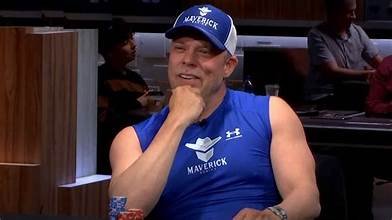
Eric Persson represents one of the most aggressive forms of poker table talk in the modern game. He uses his voice the same way he uses his chips: relentlessly, forcefully, and without hesitation. Persson talks fast, talks often, and talks with a confrontational edge designed to overwhelm opponents before they have time to think.
His style isn’t subtle. It’s intimidation through pure presence. The rapid-fire speech, the constant needling, the emotionally charged jabs, it all contribute to a level of pressure that forces opponents into decisions they’d never make in silence. His talk creates a storm around the table, and many players find themselves reacting emotionally rather than strategically.
But Persson’s power comes with a risk. When his talk crosses into disrespect or personal territory, the table can turn against him. And when his verbal aggression stops workin,when someone refuses to engage, the tactic loses its bite. His success with poker table talk comes from creating imbalance, but it only works on opponents who allow themselves to be pulled into his tempo.
WILLIAM KASSOUF
If Persson represents raw pressure, William Kassouf represents controlled psychological warfare. Kassouf doesn’t overwhelm with volume; he overwhelms with rhythm. His speech play is slow, methodical, repetitive, and strategically timed. He creates discomfort not by shouting, but by never letting silence settle.
His trademark lines,“Nine high, like a boss,” “One time dealer,” and the infamous “speech play” moments,aren’t random. They are part of a calibrated effort to chip away at an opponent’s emotional equilibrium. Kassouf uses conversation to wear players down, to keep them from thinking clearly, and to make the hand feel far more personal than it should.
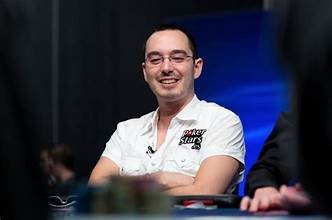
His clash with Griffin Benger during the 2016 WSOP Main Event is one of the most famous examples of poker table talk in modern history. Kassouf’s relentless verbal pressure pushed Benger to the breaking point, resulting in the now-iconic, “Check your privilege” explosion. Whether you love him or hate him, Kassouf demonstrated how psychological discomfort can alter the outcome of a hand long before the cards are revealed.
But like Persson, Kassouf’s brilliance also carries risk. When opponents stop reacting, or when the table becomes fed up, his tactics lose their effectiveness. His style is polarizing and often pushes against the boundaries of what players and tournament directors will tolerate.
TONY G.
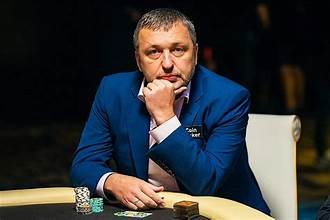
Tony G takes poker table talk in a different direction entirely. His speech play is performance-based, theatrical, and designed as much for entertainment as for strategic deception. He berates, jokes, taunts, and narrates hands with a level of confidence that makes every pot feel like a stage.
When Tony G talks, he’s not just speaking to the opponent in the hand, he’s speaking to the entire table. His words create an atmosphere that unsettles some players and energizes others. He uses humor to disarm, aggression to intimidate, and storytelling to control the emotional rhythm of the table.
Tony G’s brilliance lies in the unpredictability of his persona. You never know if you’re getting the showman, the bully, the comic, or the assassin. And that uncertainty forces opponents into unfamiliar emotional territory. Players who crave stability struggle against him, and that instability becomes its own weapon.
PHIL HELLMUTH AND MIKE MATUSOW
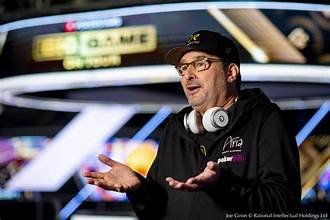
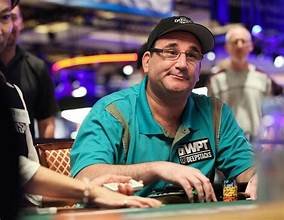
Phil Hellmuth and Mike Matusow offer a different lesson in poker table talk, one rooted not in strategy, but in emotion. Their verbal outbursts, rants, and reactions are genuine reflections of their internal states. When they feel wronged, they say so. When they are frustrated, everyone hears it. And when tilt hits, their speech becomes an open book.
This kind of table talk teaches players what not to do. Emotional speech reveals vulnerability and often pulls player focus away from strategy. For observers, it’s a chance to see what uncontrolled verbal leakage looks like in its rawest form. The lesson here is simple: if you cannot manage your emotions, your words will betray you.
JAMIE GOLD - THE MASTER OF (NOW ILLEGAL) VERBAL TRAP SETTING
Jamie Gold’s 2006 WSOP Main Event run remains one of the greatest examples of manipulative poker table talk ever witnessed on a televised stage. Gold constantly talked about his hand strength, sometimes honestly, sometimes deceptively, shaping his opponents’ decisions with a mix of charm, confidence, and misdirection.
He encouraged folds when he was weak, encouraged calls when he was strong, and kept opponents guessing through a strangely believable blend of truth and lies. Many of his tactics are now prohibited under modern rules, but his run remains a masterclass in how verbal cues can steer the action in ways chips alone cannot.
Gold showed that poker table talk, when used artfully, can literally change the course of a tournament.
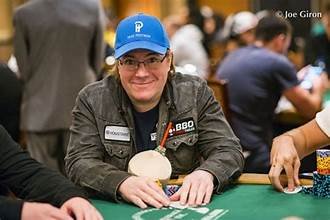
These personalities represent the full spectrum of poker table talk, the loud, the subtle, the manipulative, the theatrical, and the emotional. Studying them gives you a living blueprint of everything speech can accomplish at the table. Words can apply pressure, create confusion, or push an opponent toward tilt. They can entertain a room, disguise intention, or steer the energy of a hand. In the wrong hands they become reckless; in the right hands they reshape the psychological landscape of an entire session.
But more importantly, these players reveal a deeper truth:
Poker table talk is not background noise; it is a weapon.
And, like any weapon, its effectiveness depends entirely on the skill and discipline of the person wielding it.
USING POKER TABLE TALK STRATEGICALLY (THE OFFENSIVE SIDE)
By the time most players reach this point in their poker development, they understand that poker table talk can reveal information. But fewer players recognize that speech can also be used deliberately, as a strategic tool. Words can pressure, mislead, confuse, distract, and even create images that influence future hands. When used consciously, poker table talk becomes a form of controlled aggression, a way to shape an opponent’s decisions as surely as a bet or raise does.
The purpose of this section is not to encourage theatrics or manipulation; it is to show how subtle, well-timed words can help you guide the emotional temperature of the table. Strategy does not require loudness. It requires understanding.
BUILDING A TABLE IMAGE THROUGH SPEECH - HOW TALKING SHAPES FUTURE POTS
ANCHORING AN OPPONENT'S THOUGHT PROCESS - GUIDING THEIR RANGE INTERPRETATION
Every word you speak contributes to your image, whether you intend it or not. A talkative, friendly image can persuade opponents to call you lighter in future hands. A disciplined, serious image often earns more respect and more folds. Poker table talk allows you to shape these long-term dynamics consciously.
Some players talk in a way that makes them look harmless — joking, storytelling, showing just enough vulnerability to make others let down their guard. Others lean into a quiet, unreadable image, speaking rarely and staying emotionally neutral.
The key is consistency. Whatever table image you build through your words must match your betting patterns and emotional behavior. When done correctly, your speech becomes part of the metagame, influencing how others perceive you long after the hand in which you spoke.
One of the most advanced uses of poker table talk is anchoring, planting ideas that subtly influence how an opponent interprets the hand. A player might casually mention, “That card helped you, didn’t it?” or, “You probably have the ace.”
The beauty of anchoring is that it doesn’t need to be believed to be effective. Even if the opponent consciously dismisses the comment, the idea has already been introduced into their subconscious. They now consider ranges they might not have considered, or neglect ranges they should. Their mental framework shifts, even if only slightly, and slight shifts matter in close decisions.
Anchoring is a delicate art. It should be used sparingly and with emotional neutrality. If the line sounds rehearsed or manipulative, it loses its power. But delivered naturally, anchoring can tilt an opponent’s mental scale just enough to influence the outcome.
REINFORCING A BLUFF OR A VLUE HAND THROUGH CONTROLLED IDALOGUE
USING QUESTIONS AS PSYCHOLOGICAL TOOLS - EXTRACTING REACTIONS WITHOUT NEEDING ANSWERS
One of the most misunderstood aspects of poker table talk is its use in reinforcing a bluff. Many players believe that talking during a bluff gives away too much, and for amateurs, that’s often true. Nervous talk exposes cracks. Forced lines sound artificial.
But for a composed player, the right line at the right moment can strengthen a story. A quiet, steady line delivered while bluffing can project confidence. A carefully chosen expression of mild concern while holding a monster can lure a call. The key is to ensure that your speech feels consistent with your overall demeanor and history at the table.
Strategic talk during bluffs is rarely flashy. It is subtle. Understated. Clean. A single sentence can be more effective than a monologue. Inexperienced players overuse dialogue; experienced players use it like a scalpel.
Questions are among the most powerful forms of poker table talk, not because of the answers they produce, but because of the emotional and physical reactions they provoke. The moment you ask a question, you force your opponent out of their internal thinking rhythm and into a social situation.
A player who is deep in thought might recoil slightly, blink, shift in their chair, or hesitate before responding. These reactions reveal far more than the answer itself. Even a player who refuses to respond often betrays tension through their silence.
The best questions are simple, neutral, and unexpected. They create ripples. Those ripples expose where the opponent’s emotional center really is. And once you can locate that center, you can apply pressure directly to it.
Strategic poker table talk is not about manipulation in the unethical sense. It’s about understanding human nature, respecting the social dynamics of the game, and using your voice with intention and discipline. The goal is not to bully or humiliate; the goal is to introduce controlled variables into the mental equation your opponent is solving.
A well-timed sentence can do that. A well-timed pause can do even more.
PROTECTING YOURSELF FROM POKER TABLE TALK (THE DEFENSIVE SIDE)
Poker table talk can be a powerful weapon when used intentionally, but it becomes dangerous the moment you allow it to influence your decisions. The best players understand this instinctively. They don’t engage in needless conversation, they don’t get pulled into emotional exchanges, and they don’t give opponents credit for words that deserve none.
The foundation of protecting yourself from poker table talk is simple:
Do not participate.
Don’t respond.
Do not give it power.
Silence is not weakness; silence is insulation. It shields you from verbal manipulation, protects your emotional state, and forces opponents to operate without feedback. When you remain quiet, you deprive them of the very thing their speech relies on, engagement.
SILENCE AS A SHIELD - THE MOST RELIABLE DEFENSE IN POKER
REMAINING SILENT DURING HANDS IS ONE OF THE STRONGEST FORMS OF DISCIPLINE IN LIVE POKER!
Remaining silent during hands is one of the strongest forms of discipline in live poker. When you don’t speak, you reveal nothing. You don’t leak tone. They can’t determine your confidence level. You don’t leak discomfort. Your opponents get nothing; you get everything.
Silence also keeps you in your own headspace. It eliminates distraction and keeps your decision-making process clean. Once you stop responding, poker table talk loses its ability to influence you. Words become noise instead of weapons.
Silence also forces opponents to reveal themselves. Without verbal interaction, players often talk more, filling the void. And when they talk more, they reveal more. Remaining silent shifts the burden of communication to them, and the player who talks always leaks.
DON'T GIVE OPPONENTS' WORDS MORE WEIGHT THAN THEY DESERVE
LET TABLE DYNAMICS AND PLAYER TENDENCIES GUIDE YOU - NOT CONVERSATION
In live poker, the content of a player’s speech is almost always meaningless. Players say things for reasons that have nothing to do with their actual hand strength: ego, nerves, habit, or simple discomfort.
The more a player talks, the less credible their words become.
Skilled players don’t react to statements like “I’m weak” or “I don’t care if you call.” They observe the behavior surrounding those statements. Tone, timing, posture, breathing, chip movement, these reveal the truth far more reliably than speech ever will.
When you stop assigning importance to verbal claims, you eliminate one of the biggest psychological traps at the table.
Poker is not played in sentences; it’s played in patterns. The best defense against poker table talk is a commitment to reality, the reality of tendencies, actions, betting lines, frequencies, and history.
A player’s speech may be misleading, inconsistent, or even intentionally deceptive. But their tendencies are consistent. Their emotional patterns are consistent. Their fear reactions, comfort habits, over-betting tendencies, and showdowns speak louder than any monologue ever could.
By grounding your decisions in table dynamics, not the noise of conversation, you inoculate yourself against manipulation.
AVOID EGO TRAPS - REFUSE TO LET WORDS PULL YOU OFF CENTER
Trash talk often seeks a reaction. It aims to pull you out of your equilibrium. But responding emotionally, or trying to prove something verbally, only gives your opponent what they want. The moment you engage, the moment you “fire back,” you fall into their frame.
The strongest players refuse the bait. They don’t rise to challenges, they don’t seek verbal victories, and they don’t play the emotional games others invite them into. They win the pot, not the argument.
STAY UNREADABLE - ONE TONE, ONE RHYTHM, ONE VERSION OF YOU
Consistency is the final layer of protection. If you never change your tone, never change your rhythm, and never break character at the table, no one can determine what any single behavior means.
Silence makes you unreadable.
Consistency makes you unbreakable.
The player who remains emotionally steady, verbally neutral, and behaviorally consistent becomes a nightmare for talkers to manipulate, because talkers depend on your reactions to fuel their strategy.

PRACTICAL TAKEAWAYS: HOW TO BECOME IMMUNE TO SPEECH PLAY
Poker table talk only has power over players who let it. The moment you recognize that words cannot change odds, cannot rewrite ranges, and cannot alter the structure of the game, you become nearly immune to speech play. Most of the influence that table talk exerts comes from the listener, not the speaker. When you stop giving verbal pressure emotional weight, you take away its only source of strength.
The secret to becoming unshakable isn’t learning clever lines or memorizing counter-tactics. It’s developing a mindset that treats speech as background noise and treats behavior, patterns, and betting actions as the only reliable information in the hand. The more committed you are to reading the game through structure instead of conversation, the harder it becomes for anyone to manipulate you.
DISCIPLINE BEGINS WITH DETACHMENT
TRAIN YOUR ATTENTION ON WHAT ACTUALLY MATTERS
The first step toward immunity is detachment, a calm, steady refusal to assign importance to anything that doesn’t come from the actual game state. When someone talks during a hand, recognize that you do not have to respond, react, or even interpret the words. You can simply let them drift past you.
When you detach from the temptation to engage, your internal world stabilizes. Your decisions become cleaner because they are no longer influenced by emotional flickers caused by another player’s voice. The pot becomes the only thing that matters, and the opponent becomes a piece of the puzzle rather than a source of psychological tension.
Every moment you spend thinking about what someone said is a moment you are not thinking about their tendencies, their betting patterns, their frequencies, or the story they’re telling with their chips. By focusing on structural information instead of verbal noise, you reclaim control of the hand.
Patterns don’t lie. Tendencies don’t lie. Betting systems don’t lie. Words lie constantly. When you root yourself in the tangible mechanics of the game, speech loses all persuasive force. The talker can monologue for an hour, and it won’t move you one inch.
In live poker, attention is currency, and you choose where to spend it.
USE CONSISTENT BEHAVIOR TO STAY UNREADABLE
UNDERSTAND THAT MOST TABLE TALK IS MEANINGLESS
Immunity to poker table talk isn’t just about ignoring others; it’s also about controlling yourself. When your demeanor remains consistent regardless of hand strength, no player can weaponize speech against you. They cannot provoke a reaction because there is no reaction to provoke.
Consistency is not silence alone. It’s a commitment to the same breathing rhythm, the same posture, the same amount of stillness, and the same emotional tone in every pot. You present one version of yourself to the table, and that version never changes.
This uniformity turns you into a mirror that reflects nothing. Opponents who rely on speech play begin to feel uncomfortable, because without verbal or emotional feedback, their tactics float in emptiness. Their talk loses its purpose, and you remain the still center of the game.
Once you truly understand that most poker table talk is driven by nerves, ego, habit, or boredom, you stop treating it as a strategic signal. The human voice becomes just another part of the casino’s ambient noise.
Confidence doesn’t need dialogue.
Strength doesn’t need commentary.
Real players do not explain themselves in the middle of a hand.
The moment you internalize that, you stop being fooled by declarations like, “I’m weak,” or “You’ve got me,” or, “I don’t care if you call.” You understand that these lines are often emotional leakage, not information. And when the words lose meaning, the speaker loses power.
DEVELOP THE HABIT OF ABSOLUTE COMPOSURE
Composure is a learned discipline. The more you play, the more you encounter talkers, needlers, comedians, interrogators, and narrators. Over time, you begin to recognize that their voices are rarely dangerous, but your reaction to their voices can be.
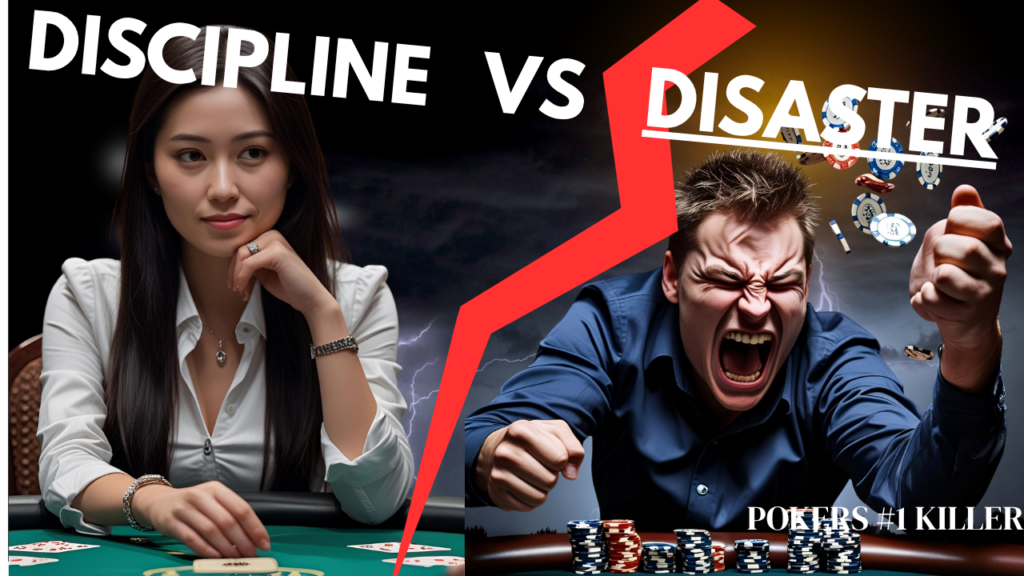
Remaining composed in the presence of poker table talk places you above the emotional current of the table. You stop riding the waves of conversation and instead become the fixed point around which the noise moves. Opponents sense this stability and feel its weight. Many talkers depend on the emotional back-and-forth of conversation to fuel their play. When you refuse to supply that energy, they lose their advantage.
Composure is not passive. It is active discipline, the deliberate choice to let only real information into your mind.
EGO-TARGETED SPEECH PLAY - WHEN OPPONENTS ATTACH YOU, NOT THE HAND
Some players use poker table talk for information, some for misdirection, and some for pressure. But there is a darker form of speech play, the kind designed not to project confidence but to attack yours. These players don’t speak to influence the hand as much as they speak to influence you. They weaponize ego the way others weaponize bet sizing.
Their comments become personal:
“You’re scared money.”
“You don’t have the guts to call.”
“You play like a girl.”
“You’re clueless.”
“Go ahead, nit — fold again.”
This isn’t strategic speech.
This is psychological warfare aimed at your sense of identity.
The purpose is simple:
Provoke you into proving something.
To make you call when you should fold or vice versa.
Or to pull you out of structure and into emotion.
Ego-targeted table talk is meant to collapse your discipline, to make you forget the ranges, the math, the frequencies, and the patience you normally rely on. Once a player succeeds in dragging you into an emotional frame, they have complete control over the hand.
The only winning response is silence.
Emotional neutrality deprives them of the reaction they need. A bully needs resistance to maintain power. When you refuse to engage, their words become hollow, their weapon ineffective, and their confidence often collapses. They turn from predator to performer, talking loudly for the room, not for you, and their strategy falls apart.
Never let someone else’s ego pull you into proving yours.
You do not win pots by winning arguments.
You win pots by staying centered when others lose control.
And the moment you allow personal comments to change your behavior, you lose the real game.
THE REAL GAME BEHIND THE WORDS
In the end, poker table talk is neither good nor bad. It’s simply another layer of the live game, a layer built from psychology, pressure, ego, and human instinct. Words themselves have no power. Their impact comes only from the meaning we assign to them. A comment can tilt you only if you let it. An insult can distract you only if you choose to allow it. A probing question can throw you off balance only if you respond to it as something more than noise.
The strongest players in the room understand this.
They watch others reveal themselves while revealing nothing in return.
Recognize that speech is just another behavior, no more significant than a betting pattern, a timing tell, or a shift in posture. And they treat it accordingly. They remain centered while others seek to pull them off center. They stay grounded in structure, the math, the tendencies, the ranges, the dynamics, while others get lost in the drama.
Poker table talk can shape a hand, tilt an opponent, reinforce a bluff, or expose weakness. It can create tension, dissolve it, or weaponize it. But the real game is never played in sentences. It is played in decisions, your decisions, and those decisions must come from discipline, not emotion.
Silence is strength.
Consistency is protection.
Composure is your shield.
And awareness is your edge.
If you treat poker table talk as a distraction, it will distract you.
Treat it as information, and it will inform you.
If you treat it as a weapon, it will cut you.
But if you rise above it, untouched, unreadable, unmoved, it becomes nothing more than background noise in a room full of people trying to find their way.